AI + Iridology: Practical Benefits for Clinicians and People
Explore how artificial intelligence is enhancing the accuracy and accessibility of iris analysis, bringing this ancient practice into the digital age.

AI + Iridology: Practical Benefits for Clinicians and People
Introduction
Iridology traditionally relied on expert observation. That expertise remains essential, but it can be inconsistent and hard to scale. AI helps by making routine parts of the workflow repeatable and by surfacing signals that deserve human attention.
Why this matters now
- Better cameras and computing make consistent image capture possible on phones — see practical clinics like Iridology Scotland for real-world examples.
- Open, reproducible methods let researchers compare results across datasets; methodological reviews and imaging guidelines on ScienceDirect show where rigor is improving.
- Clinicians can use AI to prioritize what to check, not to replace clinical judgment. For critiques and balanced views, see the JAMA commentary on risks and limitations: JAMA Ophthalmology.
Methodology — what the models actually do
- Image validation — automated checks for lighting, focus, and framing so downstream analysis only runs on usable photos.
- Preprocessing — normalization and artifact removal to reduce camera- and environment-driven noise.
- Feature extraction — algorithms quantify fibers, pigmentation, furrows and other measurable traits.
- Scoring & attention — models highlight regions with unusual patterns and provide confidence scores, plus human-readable notes.
Examples & use-cases
- Quick wellness snapshot: a user takes a photo at home and gets prioritized suggestions for follow-up (hydration, sleep, or lab checks).
- Clinician triage: a practitioner reviews flagged regions and decides which tests are worth ordering — many naturopathic and integrative clinics reference similar workflows (see Integrative Nutrition primer).
- Longitudinal tracking: repeated images let the system highlight small, consistent changes over weeks or months; practitioners and trainers list case studies on sites like Core College and Natural Wellness Centre.
Design & privacy choices we make
- Explainable outputs: every flagged item links to plain-language guidance and suggested next steps.
- Local-first privacy: images are encrypted in transit and removable by users; analysis metadata can be exported without raw images.
- Continuous validation: models are retrained on consented datasets and evaluated for bias across age, ethnicity, and camera type.
Limitations and ethical considerations
- Correlation, not diagnosis: patterns suggest areas to explore, not definitive medical statements.
- Data quality matters: poor images produce noisy or misleading signals.
- Bias risk: training data must be diverse; we test for and mitigate skewed behavior.
Practical steps for readers
- Take a well-lit, steady photo (follow the in-app guide).
- Use reports as prompts — run relevant clinical tests if a report suggests a potential issue.
- Track changes over time to see whether suggested interventions correspond to measurable shifts.
Conclusion — the middle ground
AI amplifies what iridologists already value: careful observation and context. It scales routine checks, makes tracking simple, and helps prioritize real medical follow-up. Our focus is on tools that help people and clinicians ask better questions, not on automated answers.
Suggested resources (practitioners & researchers)
- Practitioner guides and clinics: Iridology Scotland, Integrative Nutrition primer, Natural Wellness Centre.
- Training and courses: Core College iridology resources and Trinity School course notes.
- Research and reviews: methodology reviews on ScienceDirect and evidence evaluations such as the Australian Government review (health.gov.au PDF).
Try a private scan on the homepage and save a comparison to see how subtle changes show up over time.
Try it: run a private scan on the homepage and save a comparison to see how subtle changes show up over time.
Related posts: 5 Key Iris Signs • Science Behind Iris Patterns
Tags
Ederson F. Fagundes
Founder & Full-Stack Developer
Exploring the intersection of ancient wellness wisdom and modern AI technology.
Discover Your Iris Story
Ready to explore what your iris reveals? Try our AI-powered analysis and get personalized wellness insights.
Get Your AnalysisRelated Articles
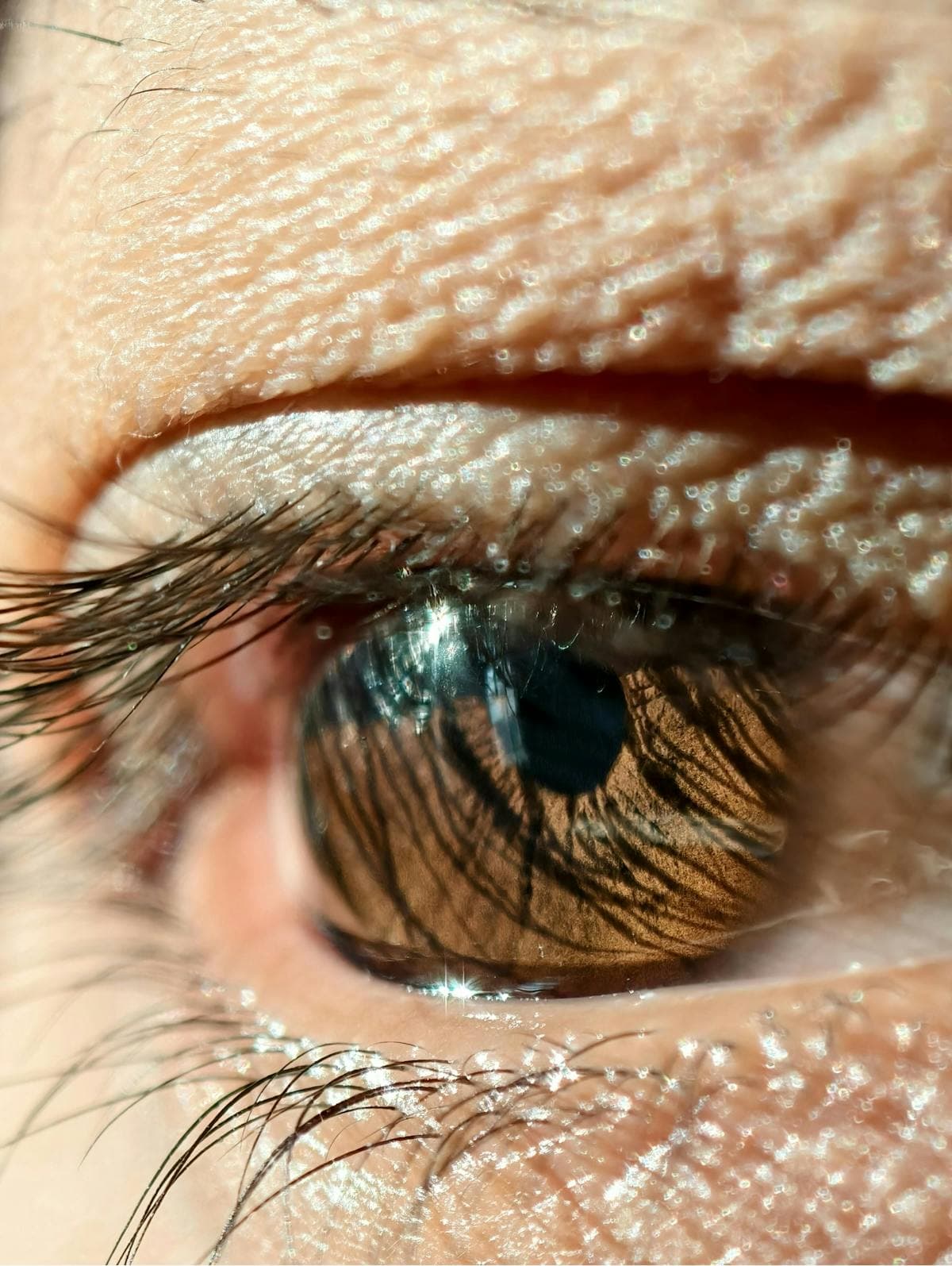
Best AI Iridology Tools in 2026: Every Major Platform Compared
A comprehensive comparison of every AI-powered iridology platform available right now, from smartphone apps to professional iriscope systems. What each offers, what each costs, and who each is built for.
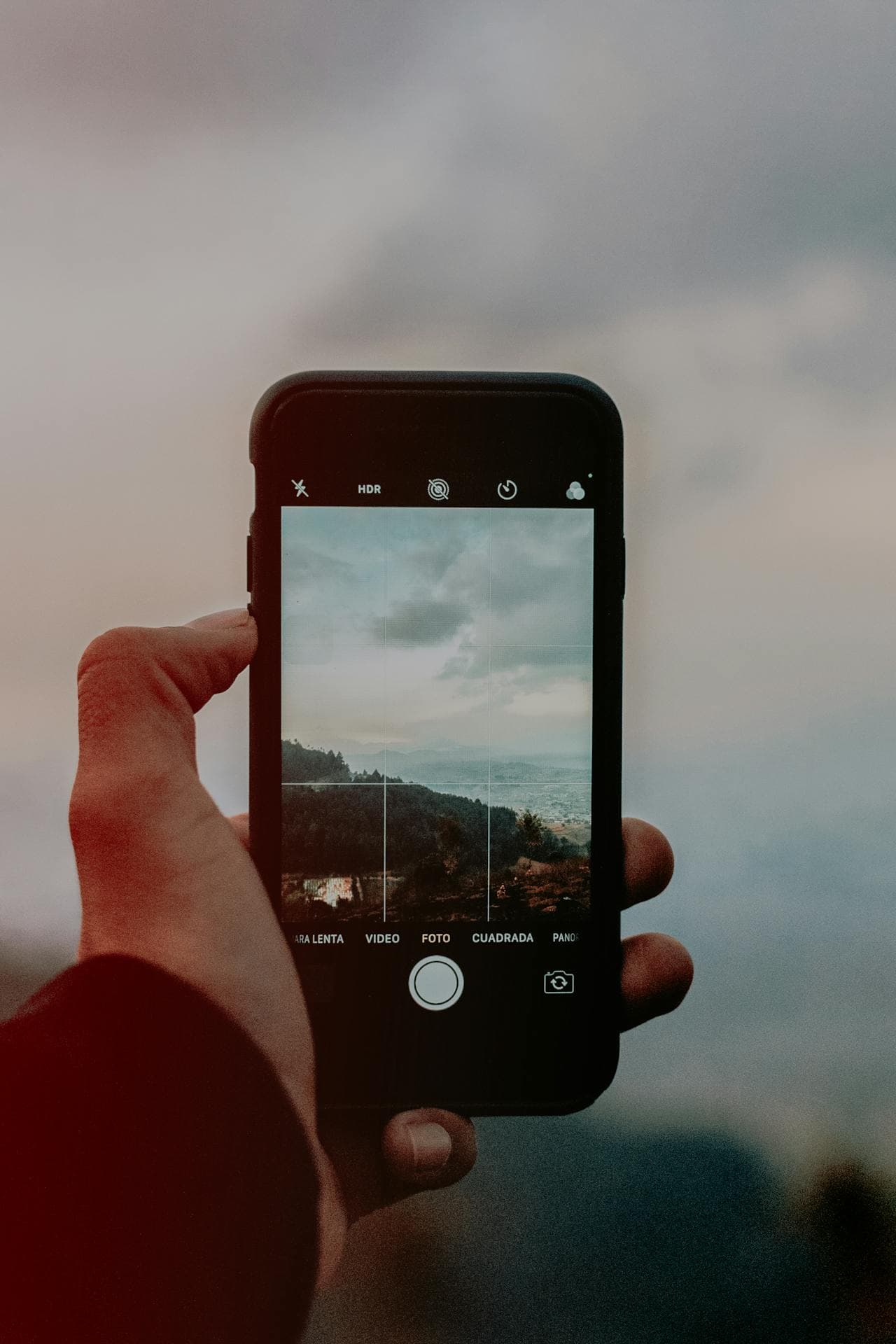
Every Photo-Based Wellness Platform Compared: Skin, Face, Food, and Iris Analysis
SkinVision analyzes moles. Binah.ai reads your heart rate from your face. SnapCalorie counts calories from your lunch. Iridology AI maps your iris. Here's how every photo-based wellness platform works, what they measure, and which ones are worth trying.